
Here at Prairie Oaks Reserve, we believe that appreciating the seasons and nature’s timing is essential. In our fast‑paced world, where busy schedules, digital overload/overstimulation, and the cultural pressure to always be ‘busy’ often dominate, it’s easy to overlook the simple pleasures, quiet joys, and daily curiosities unfolding all around us. That’s why we remind ourselves to slow down and reconnect with the land’s rhythm.
This week, we’re highlighting some of the outstanding blooms of late summer and early fall. Below you’ll find a collection of native prairie and wetland flowers currently in full display at Prairie Oaks, and perhaps in your own community or backyard. Each section explores where these plants grow, their role in the environment, traditional medicinal uses (if applicable), and a fascinating historical, biological, or cultural fact that makes them unique. We hope you enjoy our little flower exposition!
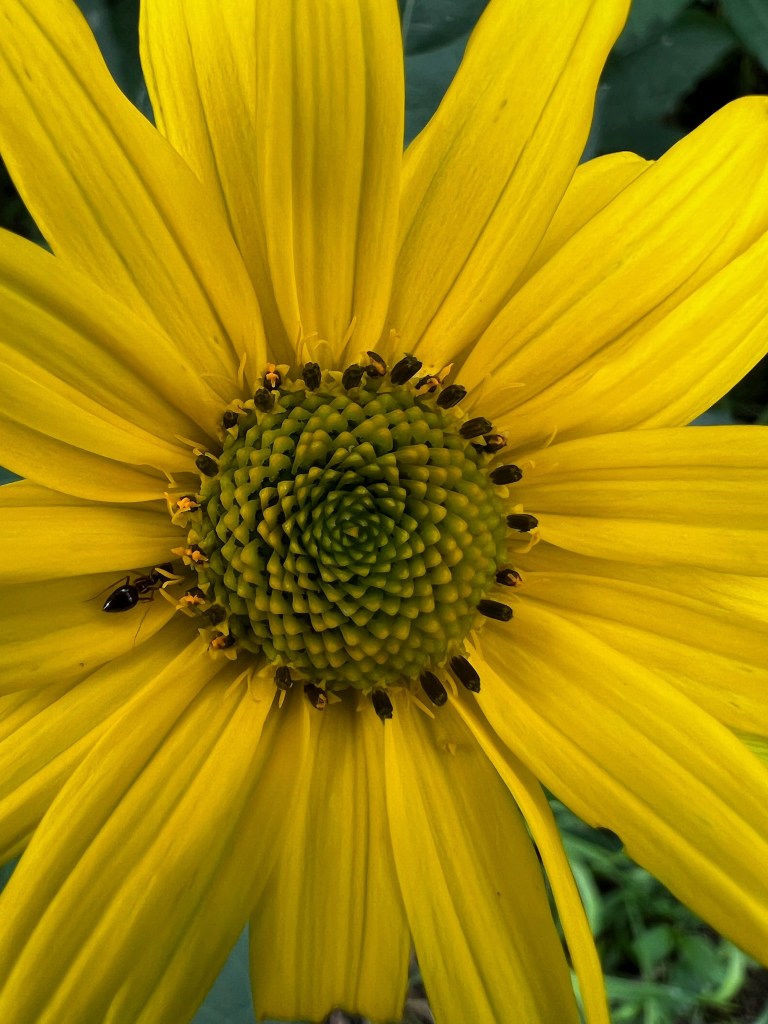
False Sunflower
Where it’s found: Dry to mesic prairies, open woodlands, and roadsides throughout Iowa and the Midwest.
Ecological role: A long‑blooming nectar source for bees, butterflies, and hoverflies; its seeds feed finches and other small birds. It’s also a sturdy host for several native moth larvae.
Medicinal history: Indigenous peoples used the roots and leaves for fever reduction, respiratory ailments, and wound care.
Interesting facts: Despite its name, it’s not a true sunflower, but it’s one of the most reliable prairie perennials, blooming for months and thriving in restoration sites. Its flowers follow the sun just like true sunflowers.
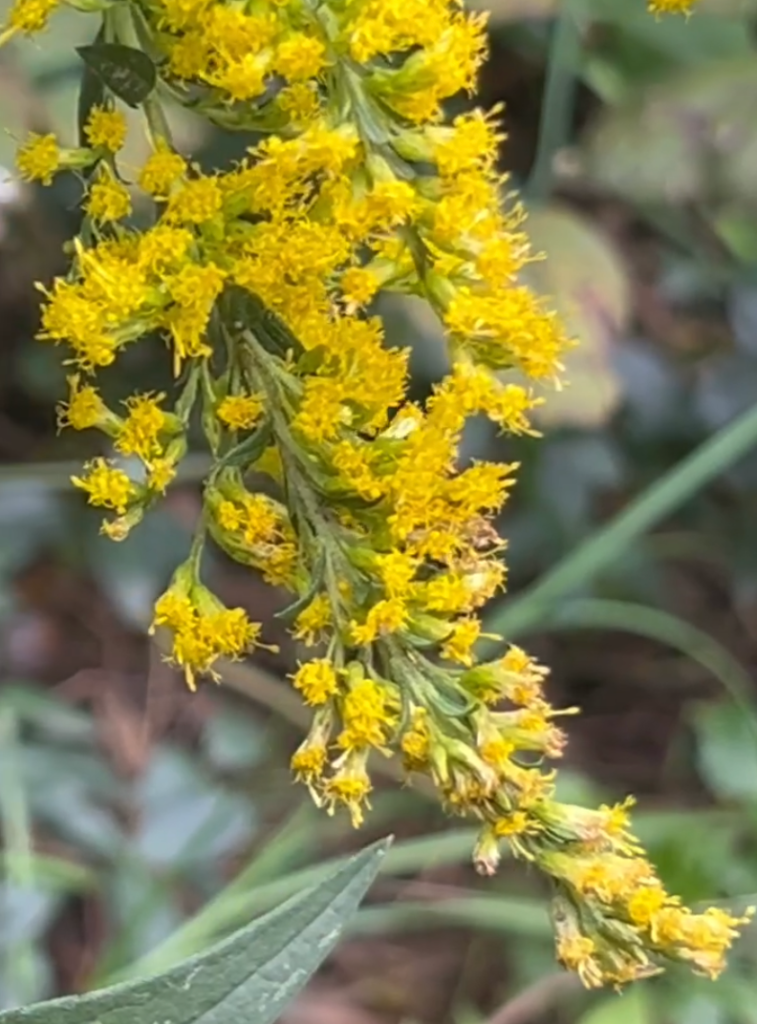
Goldenrod
Where it’s found: Sunny prairies, roadsides, meadows, and open woodlands across Iowa.
Ecological role: One of the top late‑season nectar sources for bees, butterflies, beetles, and migrating monarchs. Supports dozens of specialist insects.
Medicinal history: Traditionally used as a diuretic, anti‑inflammatory, and wound‑healing herb.
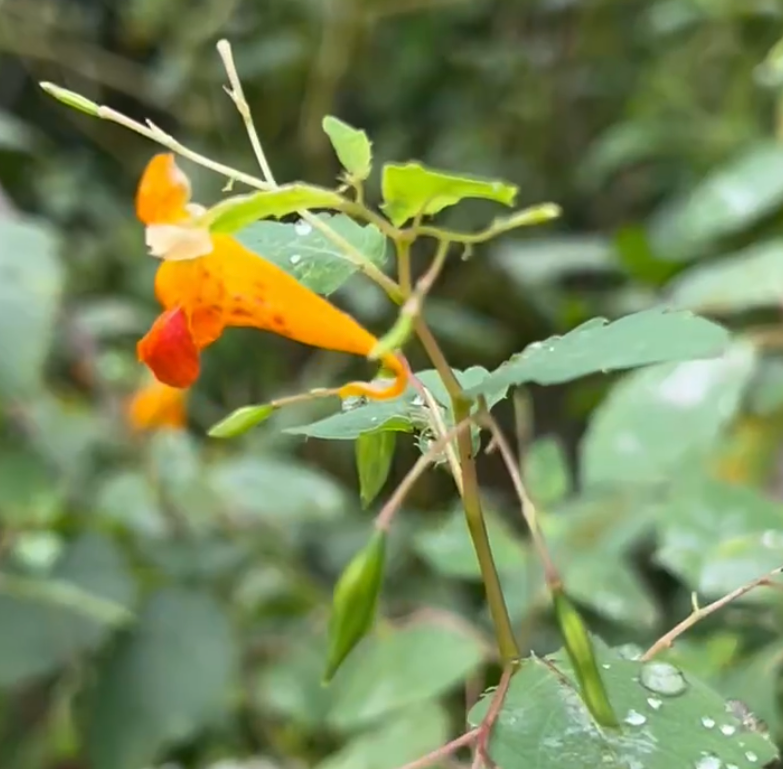
Jewelweed
Where it’s found: Moist, shaded areas like streambanks, floodplains, woodland edges, and usually with its neighbor, Goldenrod.
Ecological role: Important nectar plant for hummingbirds and bumblebees; competes with invasive garlic mustard.
Medicinal history: Sap used historically to treat poison ivy, nettle stings, and minor skin irritations; also mild antifungal properties.
Interesting fact: Seed pods use explosive dehiscence, flinging seeds several feet when touched.
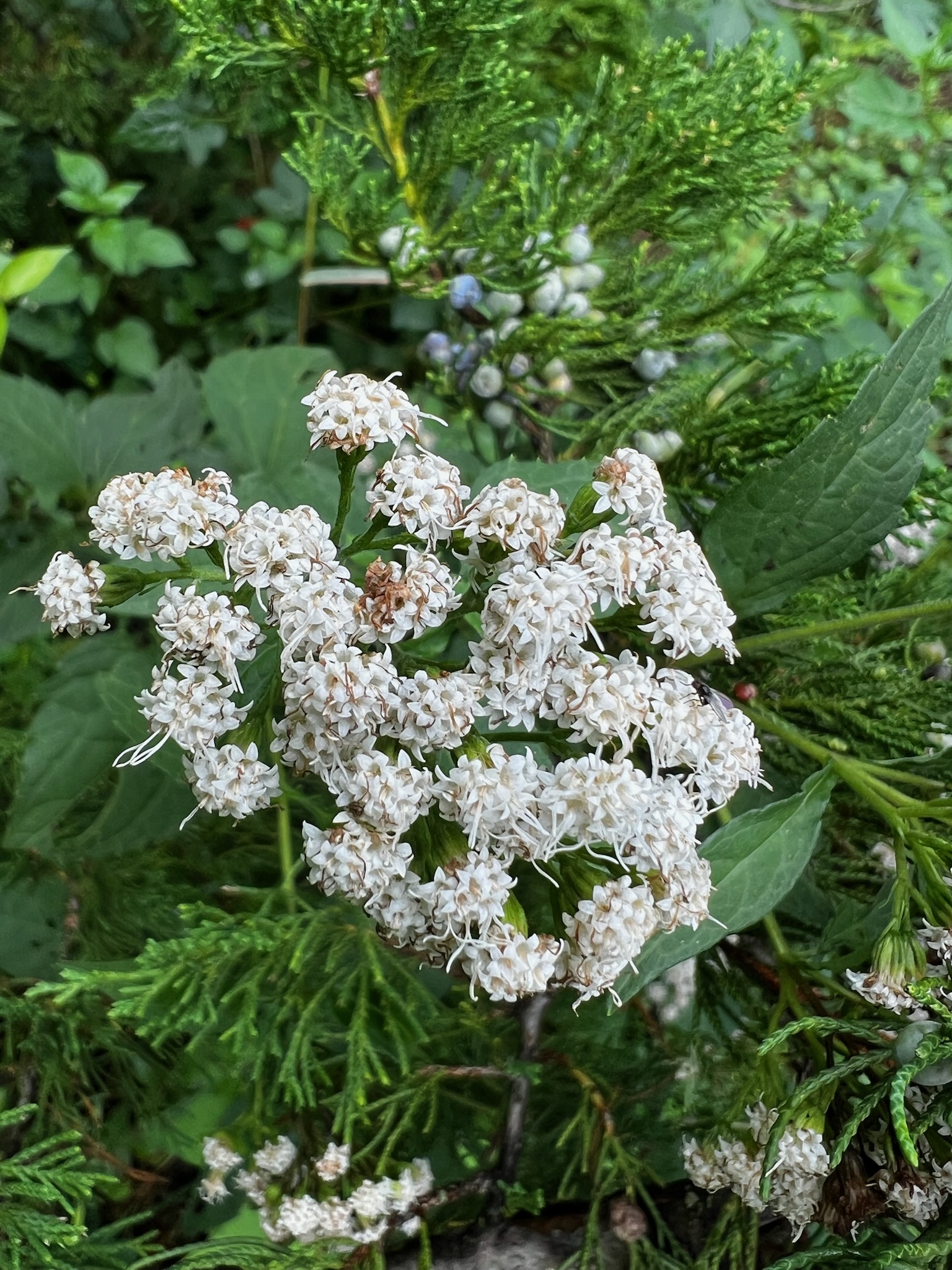
White Snakeroot
Where it’s found: Shaded woodlands, ravines, and forest edges.
Ecological role: Late‑season nectar source for small bees and flies; thrives in understory where few other fall bloomers grow.
Medicinal history: Historically used in small doses for fevers and snakebites, though the plant is toxic.
Interesting fact: Contains tremetol, which caused “milk sickness” in the 1800s when cows grazed on it; famously contributing to the death of Abraham Lincoln’s mother.
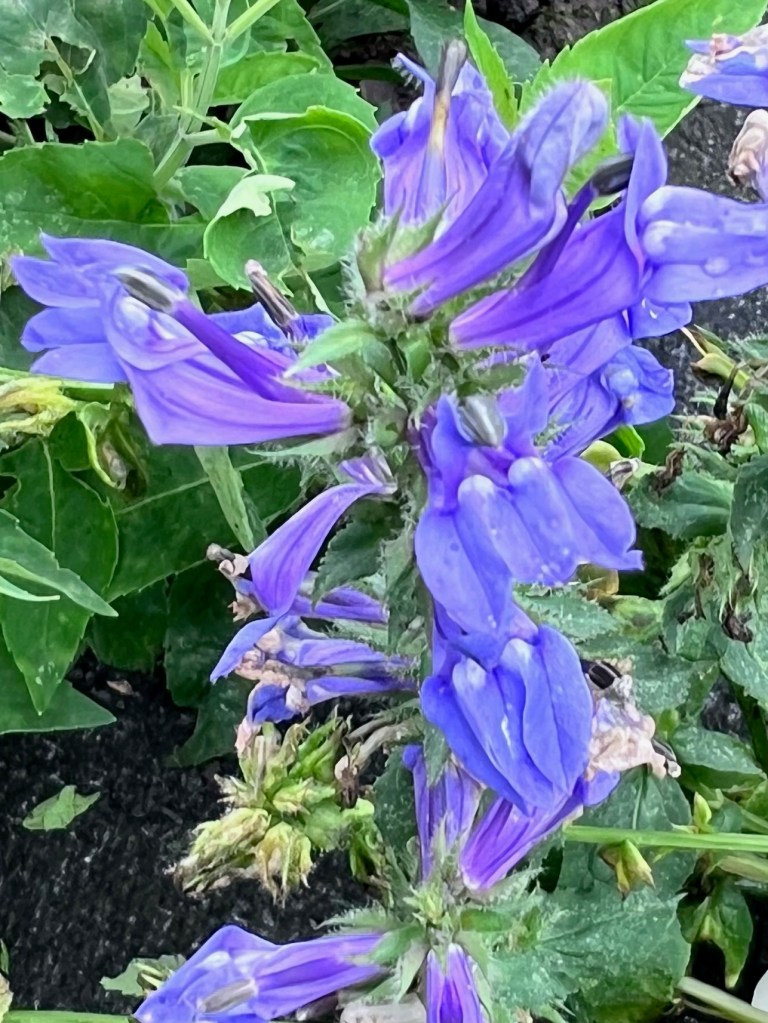
Big Blue Lobelia (Lobelia siphilitica)
Where it’s found: Moist prairies, wetlands, streambanks, and damp meadows.
Ecological role: A magnet for bumblebees, which pry open the tubular flowers; contributes to wetland biodiversity.
Medicinal history: Early settlers believed it treated syphilis (hence the name), though this was incorrect.
Interesting fact: Early settlers admired its vivid blue color so much that it became one of the first native wildflowers cultivated in home gardens. This should be noted as a rare honor for a wetland species.
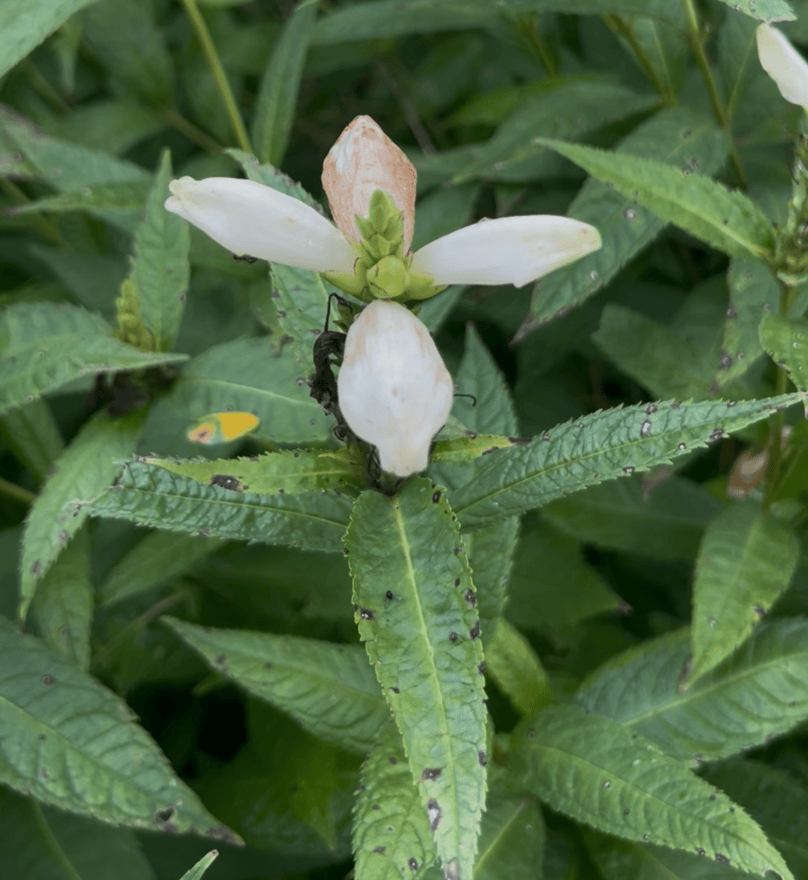
White Turtlehead
Where it’s found: Wet prairies, marsh edges, and moist woodland openings.
Ecological role: Primary host plant for the Baltimore Checkerspot butterfly; bumblebees force their way into the “turtle‑shaped” blooms.
Medicinal history: Historically used as a bitter tonic for digestive issues and liver support.
Interesting fact: Flowers resemble a turtle’s head, hence the name.
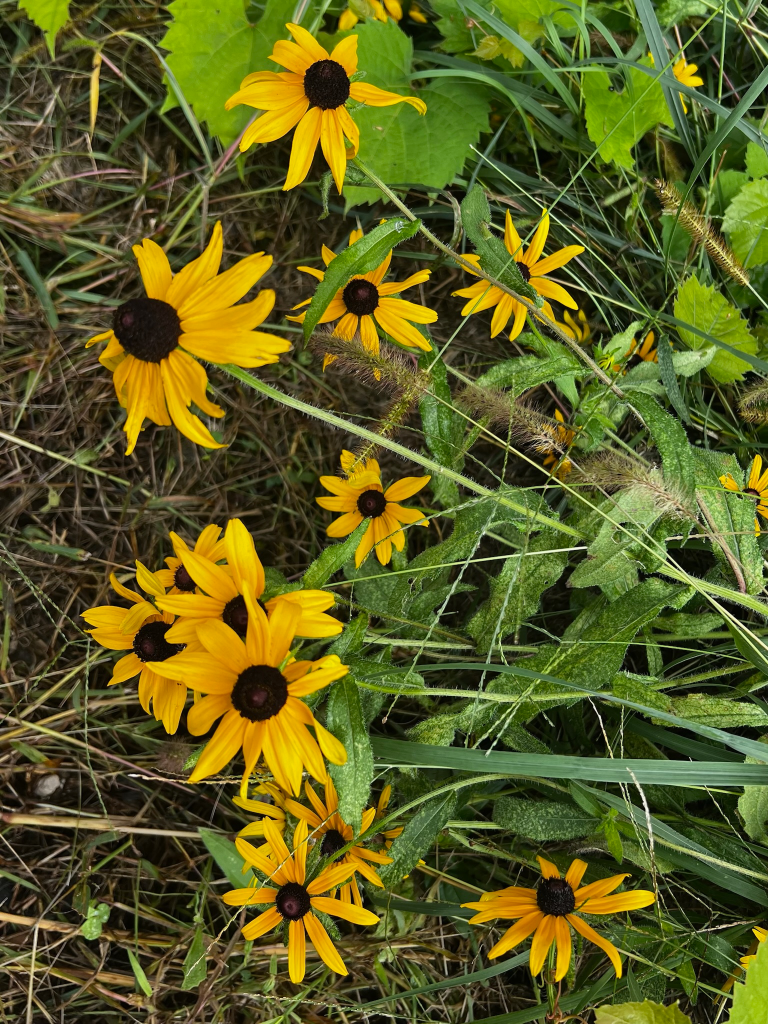
Black‑Eyed Susan
Where it’s found: Prairies, roadsides, open fields, and disturbed soils.
Ecological role: Early colonizer of open ground; supports bees, butterflies, and seed‑eating birds.
Medicinal history: Roots used historically for colds and minor infections.
Interesting fact: Often one of the first prairie flowers to bloom in restoration projects. This is part of its reputation as a “pioneering flower,” settling hostile landscapes with the goal of cultivating the land for other species to inhabit. It does this by using its strong, deep roots, which loosen compacted soil, improving aeration and water infiltration in the soil.
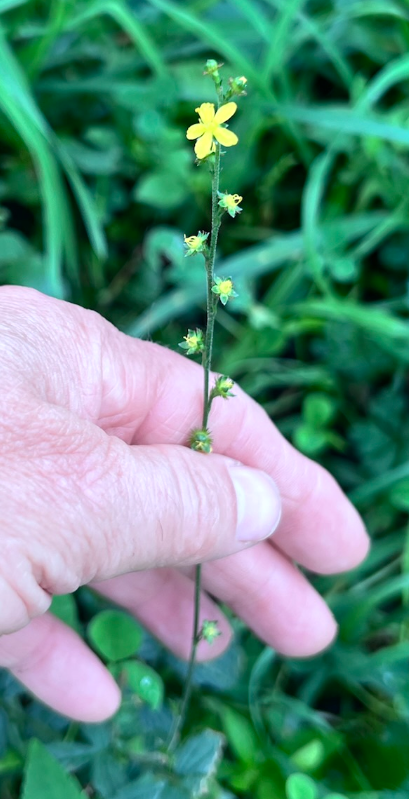
Tall Hairy Agrimony
Where it’s found: Moist prairies, woodland edges, and shaded thickets; often near streams or low slopes.
Ecological role: Provides nectar for small bees and flies, and its seeds cling to animal fur for dispersal.
Medicinal history: Historically valued as a tonic and astringent; used for digestive issues, sore throats, and mild skin irritations.
Interesting fact: If you find this plant in the wild, it has tiny hooks around the flower’s edge that stick to clothing and fur, earning it the nickname “stickseed.”
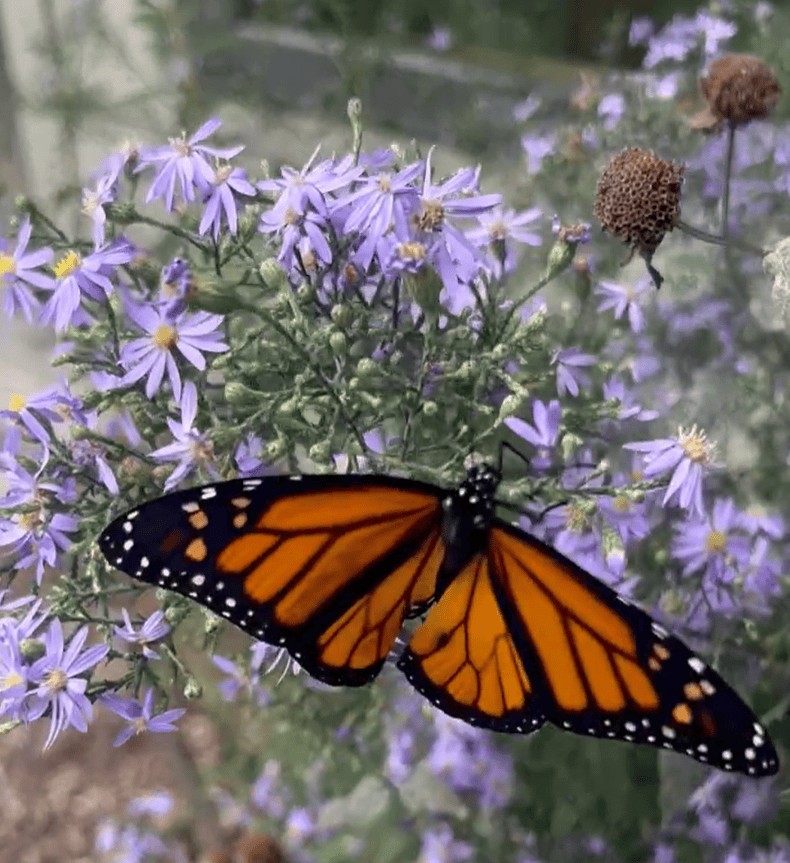
New England Aster
Where it’s found: Moist prairies, roadsides, and open meadows.
Ecological role: One of the most important fall nectar plants for monarchs; supports specialist aster‑feeding insects.
Medicinal history: Used by Indigenous groups for respiratory issues and smoke inhalation relief.
Interesting facts: Its vivid purple blooms are among the last major color displays before frost.
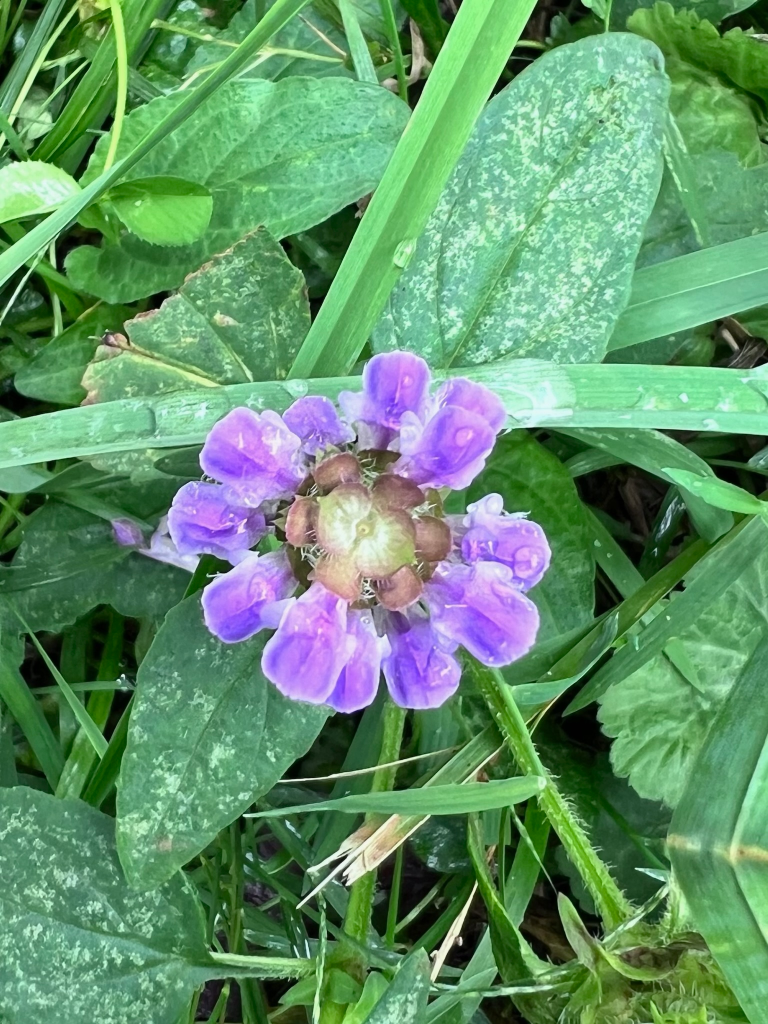
Heal‑All / Self‑Heal
Where it’s found: Moist meadows, woodland edges, and grassy areas. It’s widespread across North America, including Iowa prairies and wetland margins.
Ecological role: A valuable nectar source for small bees, butterflies, and skippers. Because it tolerates mowing and foot traffic, it helps maintain pollinator habitat even in managed landscapes. Its dense growth also stabilizes soil and prevents erosion. It’s considered a bioindicator species, often appearing in areas where soil health is improving
Medicinal history: One of the most famous traditional healing herbs. Indigenous peoples and early settlers used it for wound care, sore throats, fevers, and inflammation. Modern herbalists still value it for its mild antiviral and antioxidant properties. The name “Self‑Heal” comes from its reputation as a cure‑all for minor ailments.
Interesting fact: Heal‑All is edible; its young leaves can be added to salads or teas.
We hope you’ve enjoyed this short flower exhibition of the late‑summer and early fall season blooms that color Prairie Oaks Reserve and many other parts of Iowa. Each flower has its own story, role, and relationship with its ecosystem and us. Whether it is a story of resilience, adaptation, ingenuity, medicine, and/or quiet beauty, it’s worth knowing their stories. As you move through your own neighborhood, parks, or backyards, take a moment to look closer. You might find these same blossoms thriving right at your feet. The prairie’s wonders aren’t confined to reserves; they’re woven into the landscapes we pass every day. Happy flower hunting!


