Updates

Spring 2023

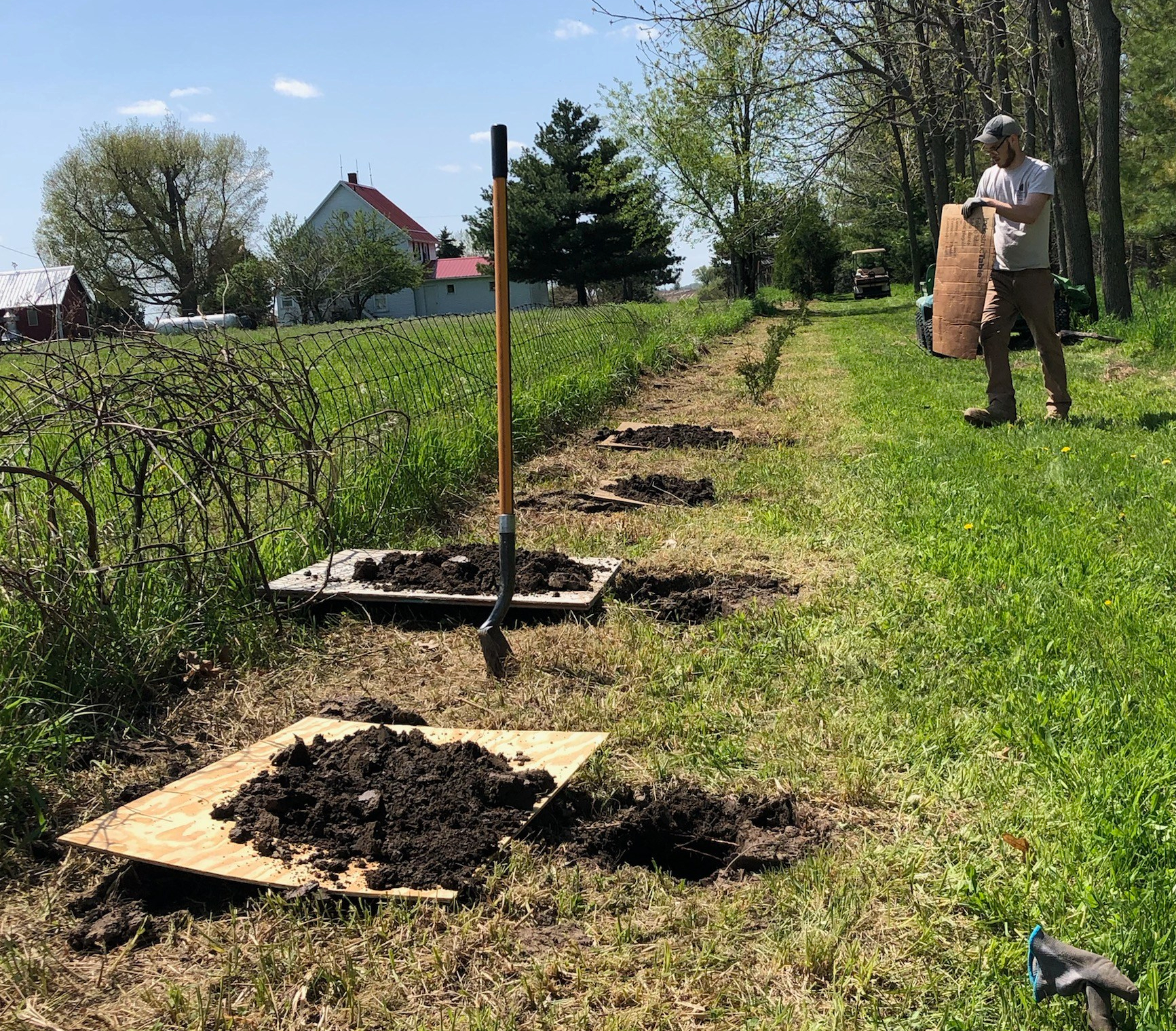
Another year of planting five hundred natives. Oaks: White, Swamp and Bur, among hickory, Shagbark, Shellbark, Mockernut and Bitternut were the main stay. River birch, Buttonbush, grey dogwoods, Aroniaberry also known a black Chokeberry were among the select native shrubs. It was good to have Jack and Mya help with the final half of planting.

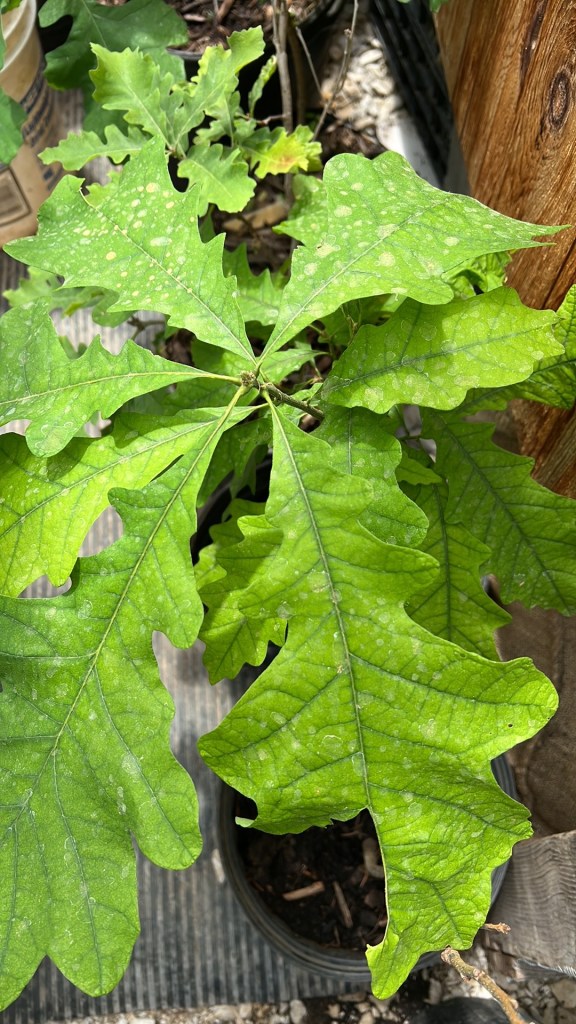
Bur Oak

Taking a Breather!

Hi all! As of today, 7/20/2021, Prairie Oaks will be going offline for some much needed rest & recovery! We have been working very hard and have been fortunate to work with some incredible, insightful, curious, and hard-working folks from our community and beyond. Stay tuned for when we open our doors back up. We look forward to reconnecting in the future with new projects, people, and opportunities!

Prairie Burn

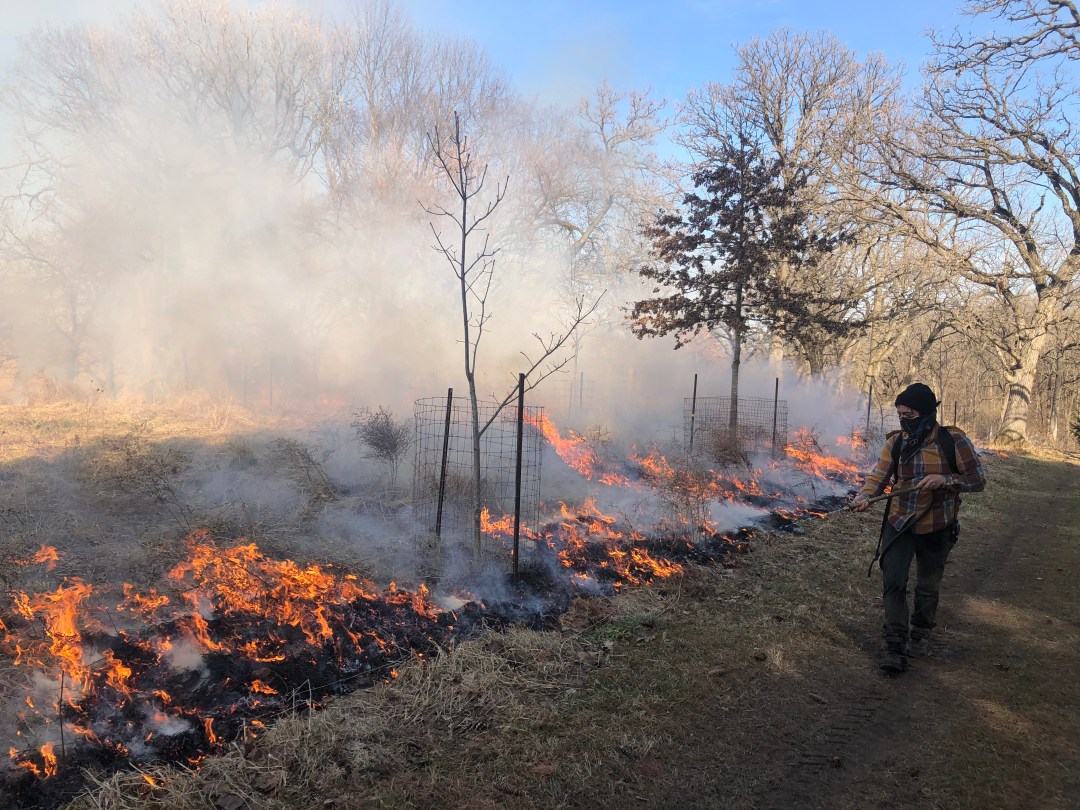
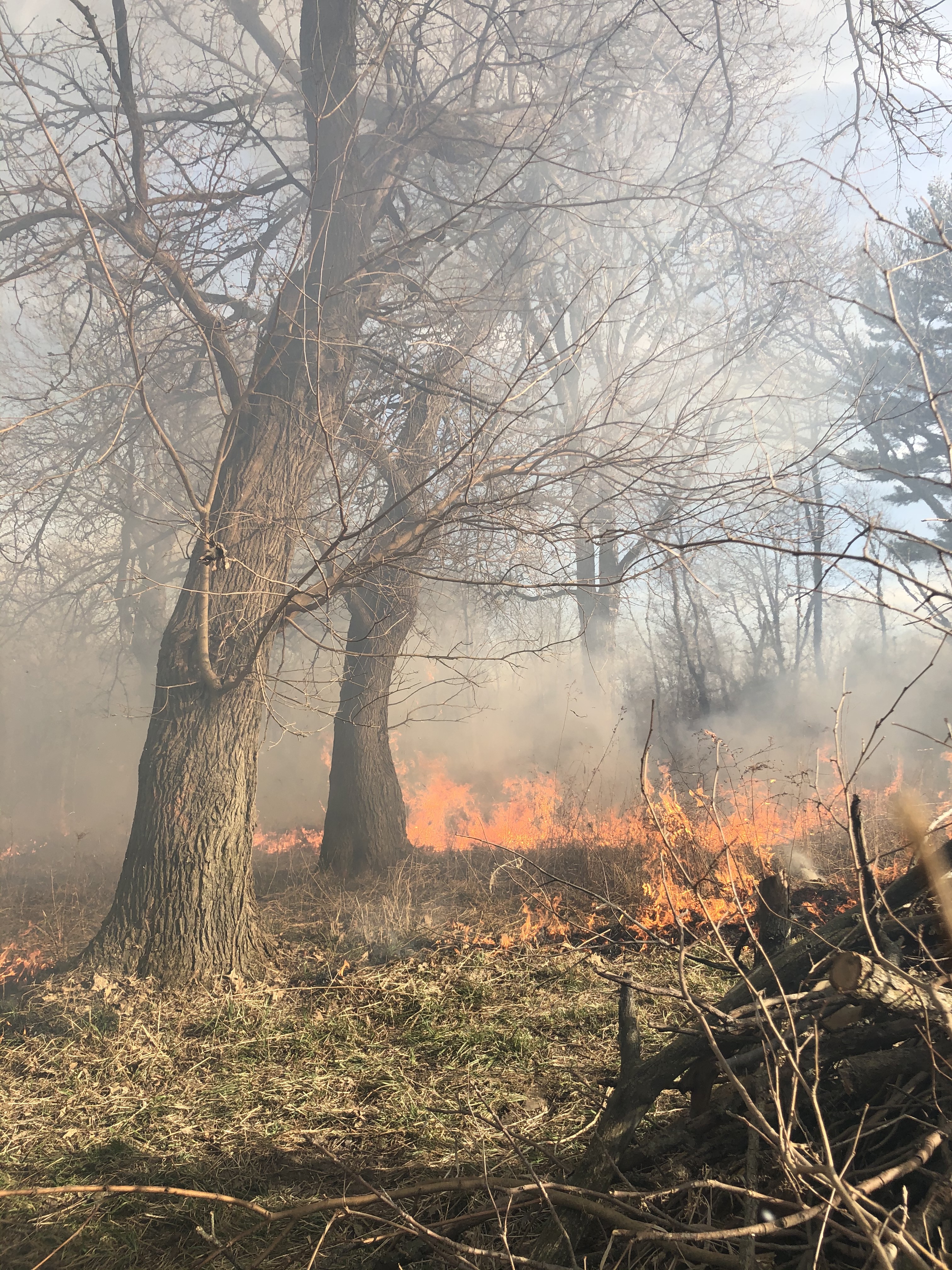
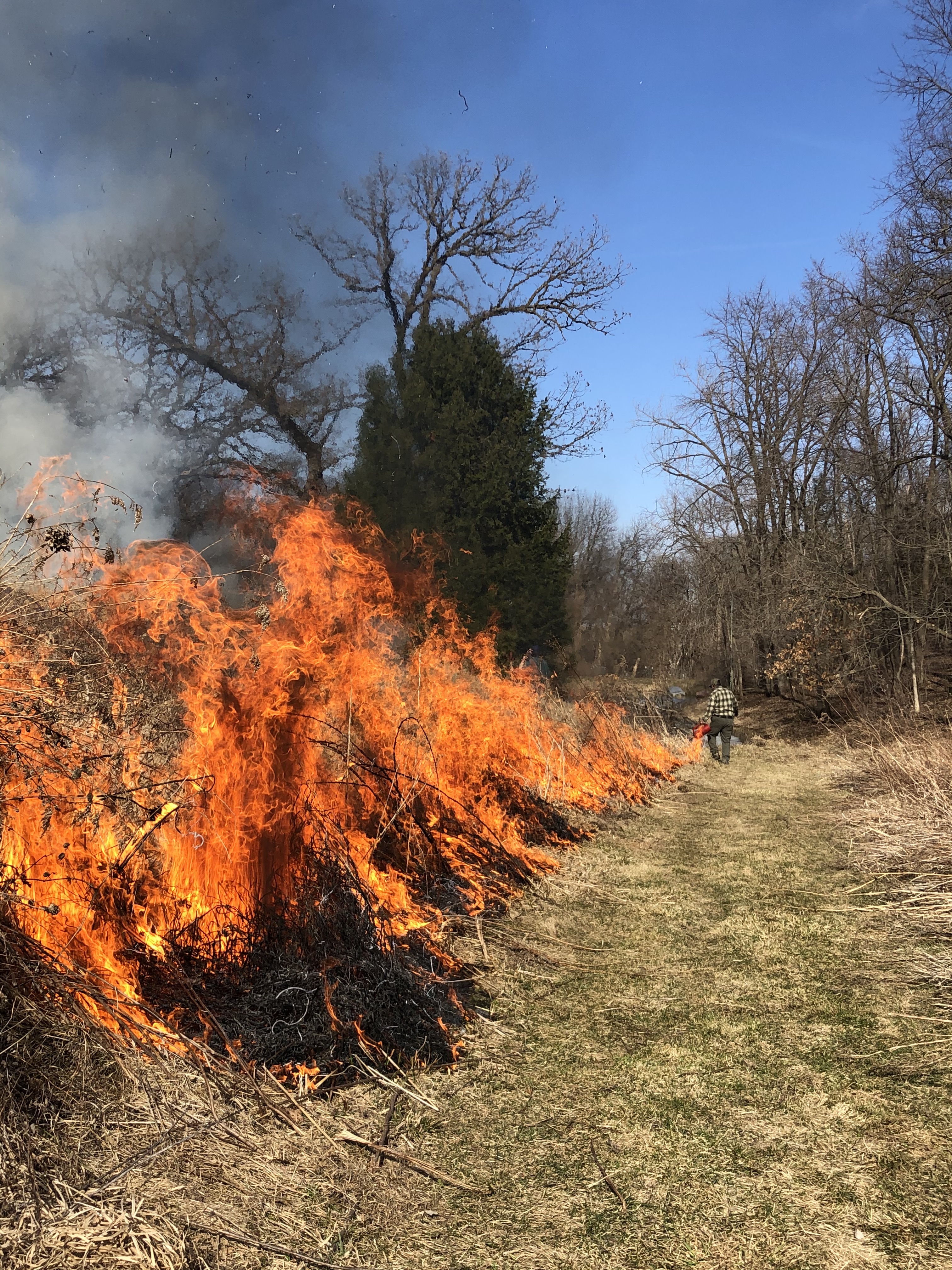
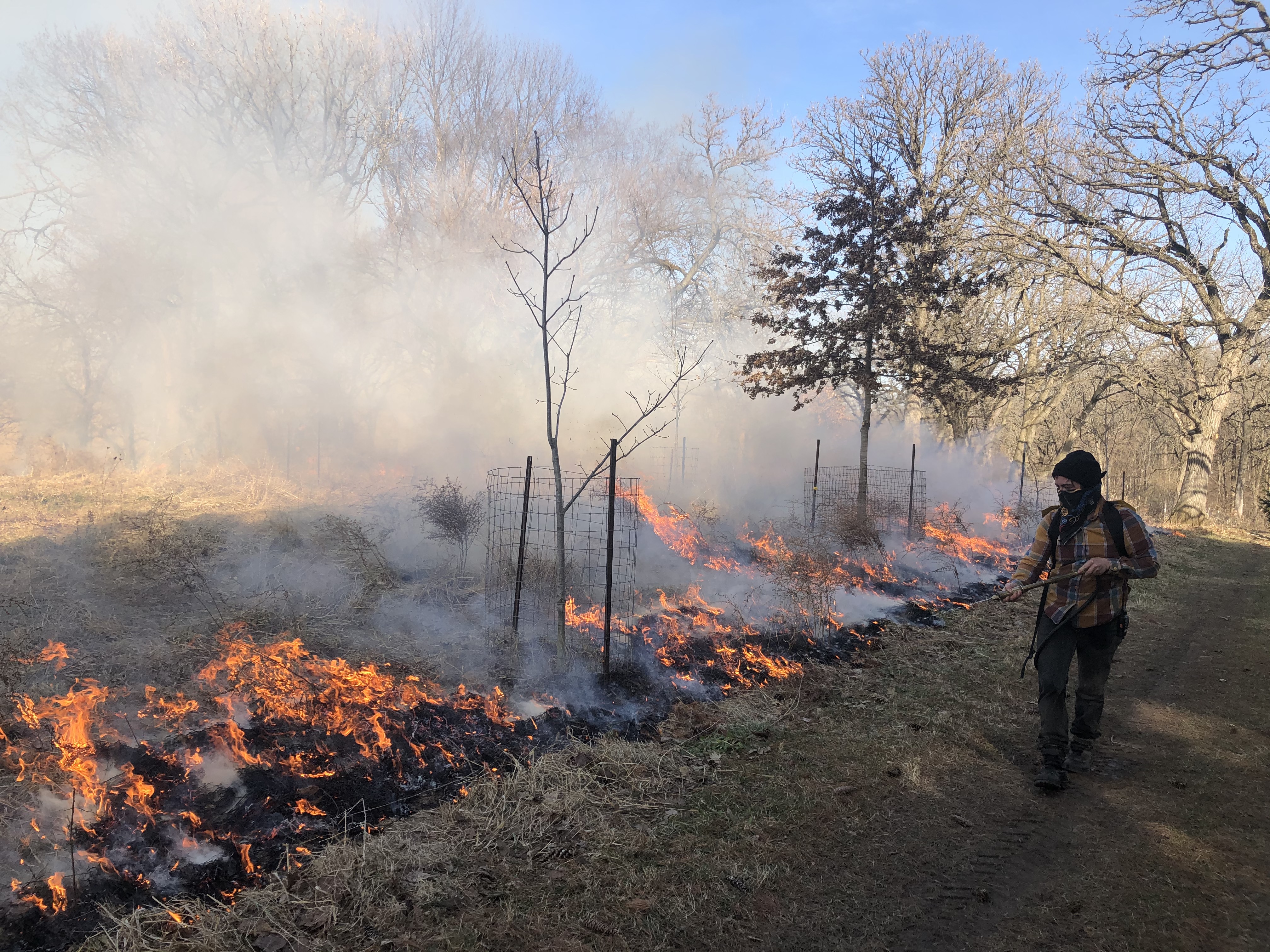
Early March we were blessed to have the perfect weather for a safe prairie burn. We had over a dozen friends and volunteers on hand to enjoy a beautiful experience honoring the transition from winter to spring.

Controlled burn in the oak savanna
Lighting the back fire to create a fire break
Fincher Fire Brigade

Shop Renovations

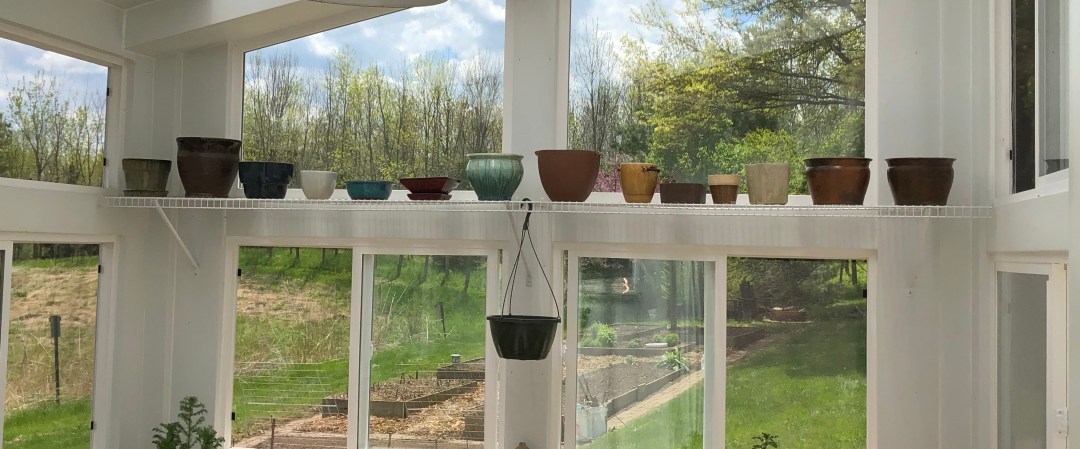
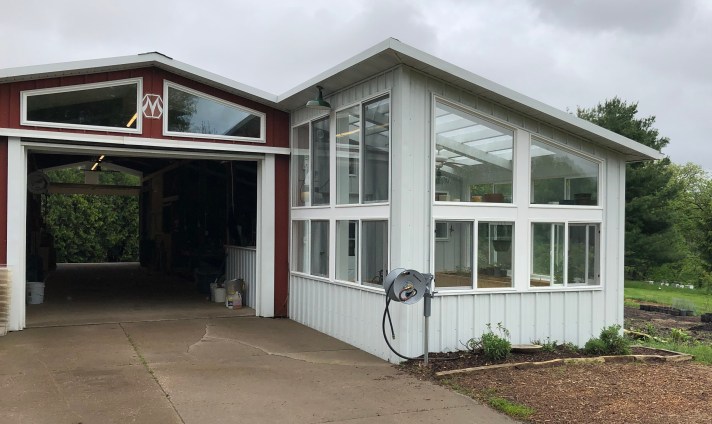
Some big changes have taken place over the past year at Prairie Oaks, thanks to the dedicated and persistent hard work of many neighbors, friends, volunteers, and workers. This includes some major renovations to the shop: the installation of new lighting and insulation in all of the walls and ceiling, the construction of an attached greenhouse, and the organization of areas for woodworking, vegetable processing, and machinery repair.

img_7008.jpg

The Greenhouse
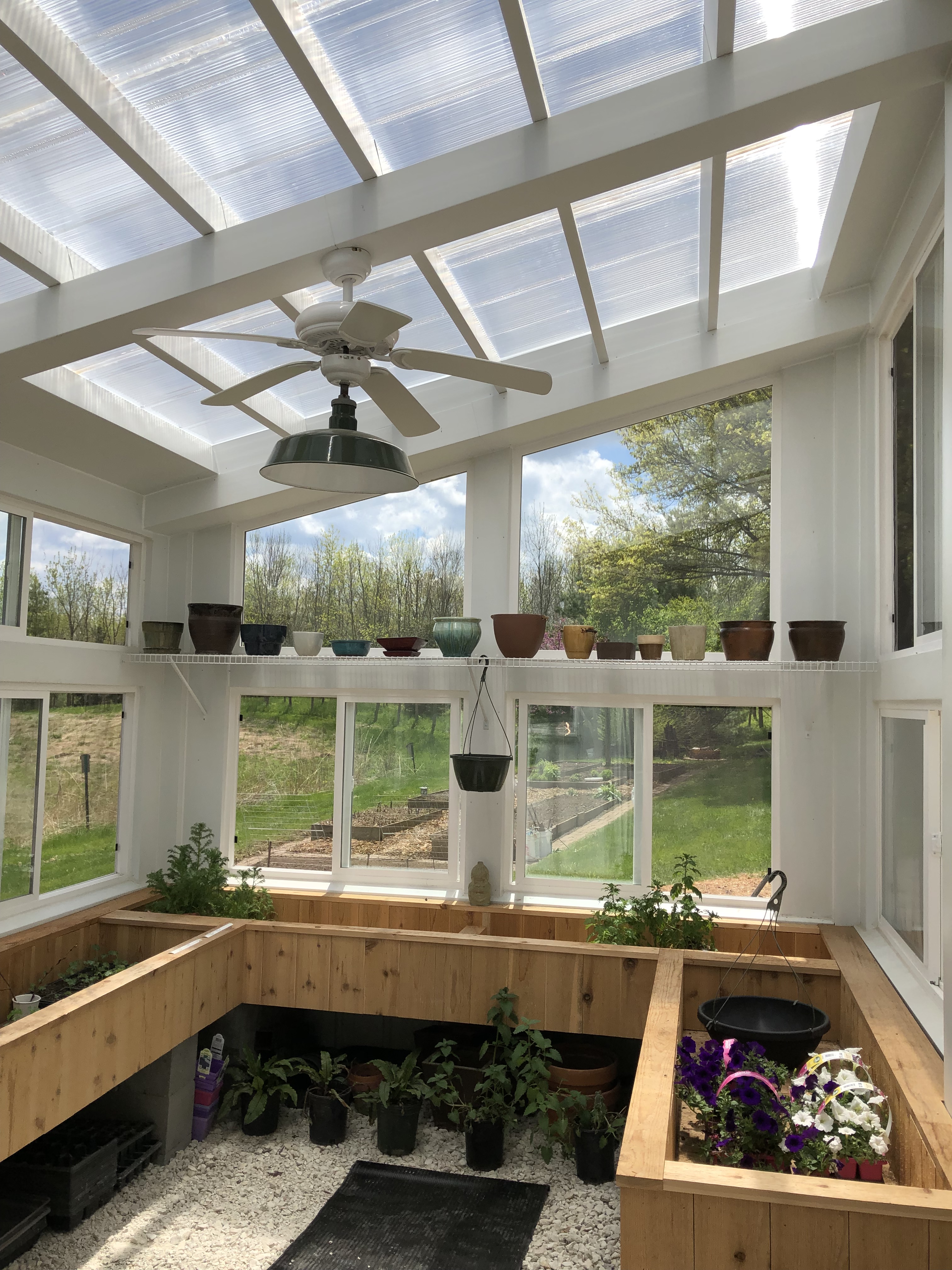
Greenhouse planning and construction began in late 2017 and finished in the spring of 2019. The greenhouse is 14ft x 11ft (156 square ft) with built-in cedar planting boxes. The greenhouse was also installed with a Ground to Air Heat Transfer system (GAHT)With a GAHT system, the ground under the greenhouse is used as a battery to store heat sequestered from passive solar heat and thermal mass of the soil. 

IMG_6990

When the temperature inside the greenhouse reaches 80 degrees, a small fan kicks in to force hot air from the higher points of the greenhouse into plastic pipes that are coiled and buried 6 feet under the ground. If the temperatures exceed 90 degrees, an exhaust fan kicks in. These processes are controlled by thermostats. When temperatures drop below 60 degrees, the GAHT process is reversed by recalling the stored heat from underground. We also have a very small heater connected to a thermostat that kicks in if the temperatures fall below 55 degrees. While the temperature regulations are not fully perfected, we continue to experiment with this new system.  


Tree Update: Spring 2019

IMG_6985.JPGAsh Removal
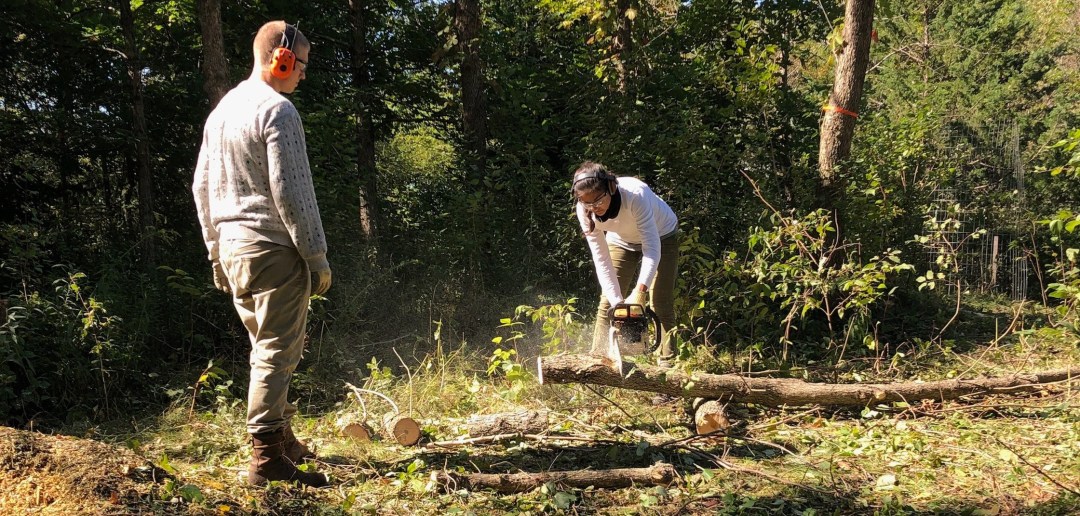
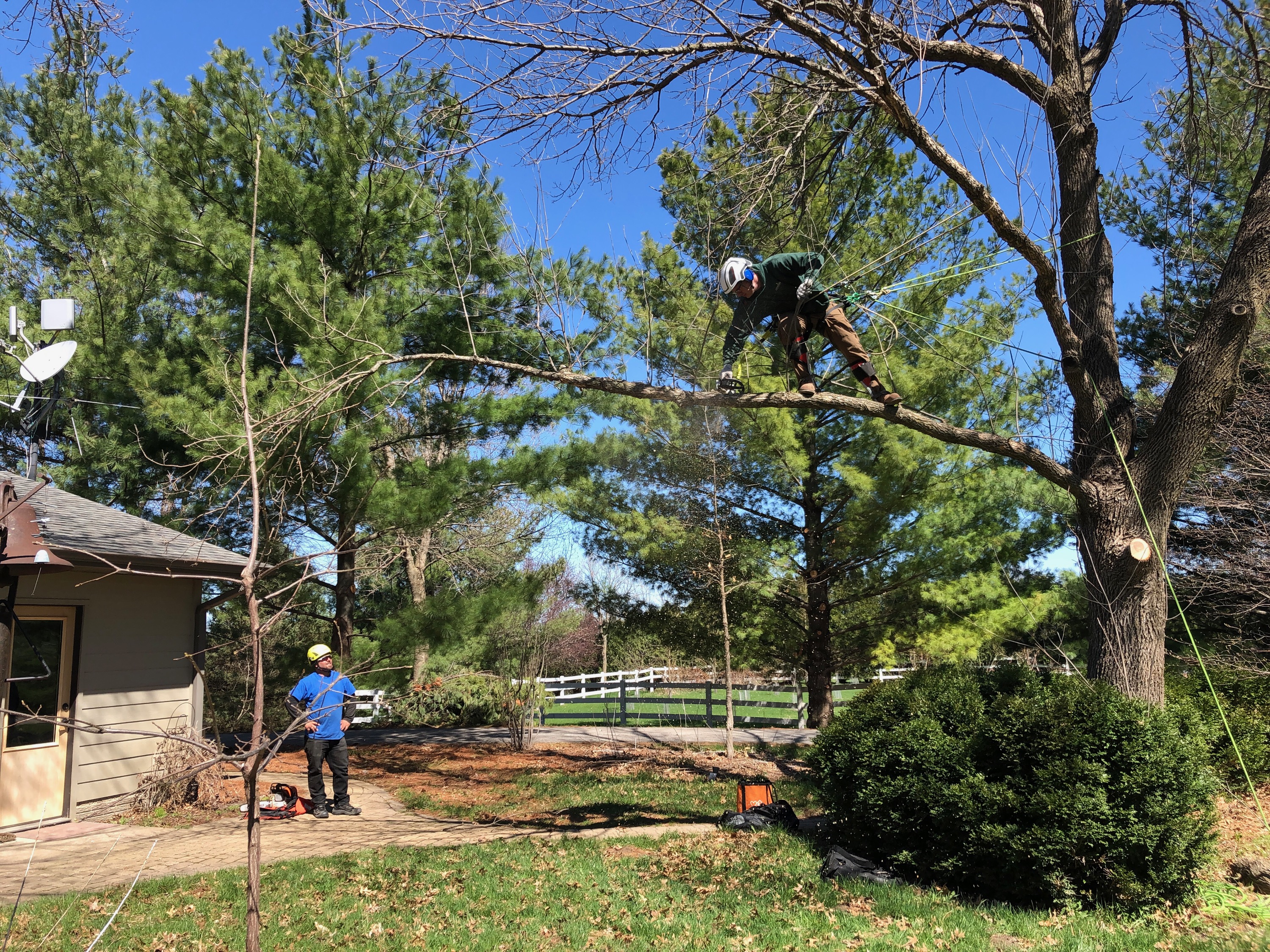
The Emerald Ash Borer has devastated many of our 600 ash trees, requiring us to fell many over the past year. The EAB is an invasive, wood-boring insect that specifically targets ash trees (Fraxinus spp.). The EAB is projected to kill nearly 100% of the 8.7 billion extant ash trees in North America. For more information on the EAB, visit the Iowa DNR page or the Emerald Ash Borer Information Network.

Although the EAB will continue wiping out ash trees, we we will do what we can to minimize the impact of the EAB on the rest of the ecosystem. The open spaces in the canopy will allow sunlight to reach the young oaks and walnut trees, which will eventually establish a new canopy. We continue to plant diverse tree species to ensure that the wildlife will be supported with ample habitat, shelter, and food.

img_6981.jpgContinued Tree Planting
This spring we have potted and planted 250 trees and shrubs, including hazelnut, high bush cranberry, hibiscus, arborvitae, redosier dogwood, white oak, shingle oak, red oak, paw paw, rose mallow, serviceberry, and pecan.


Tree Update: Late Spring 2017

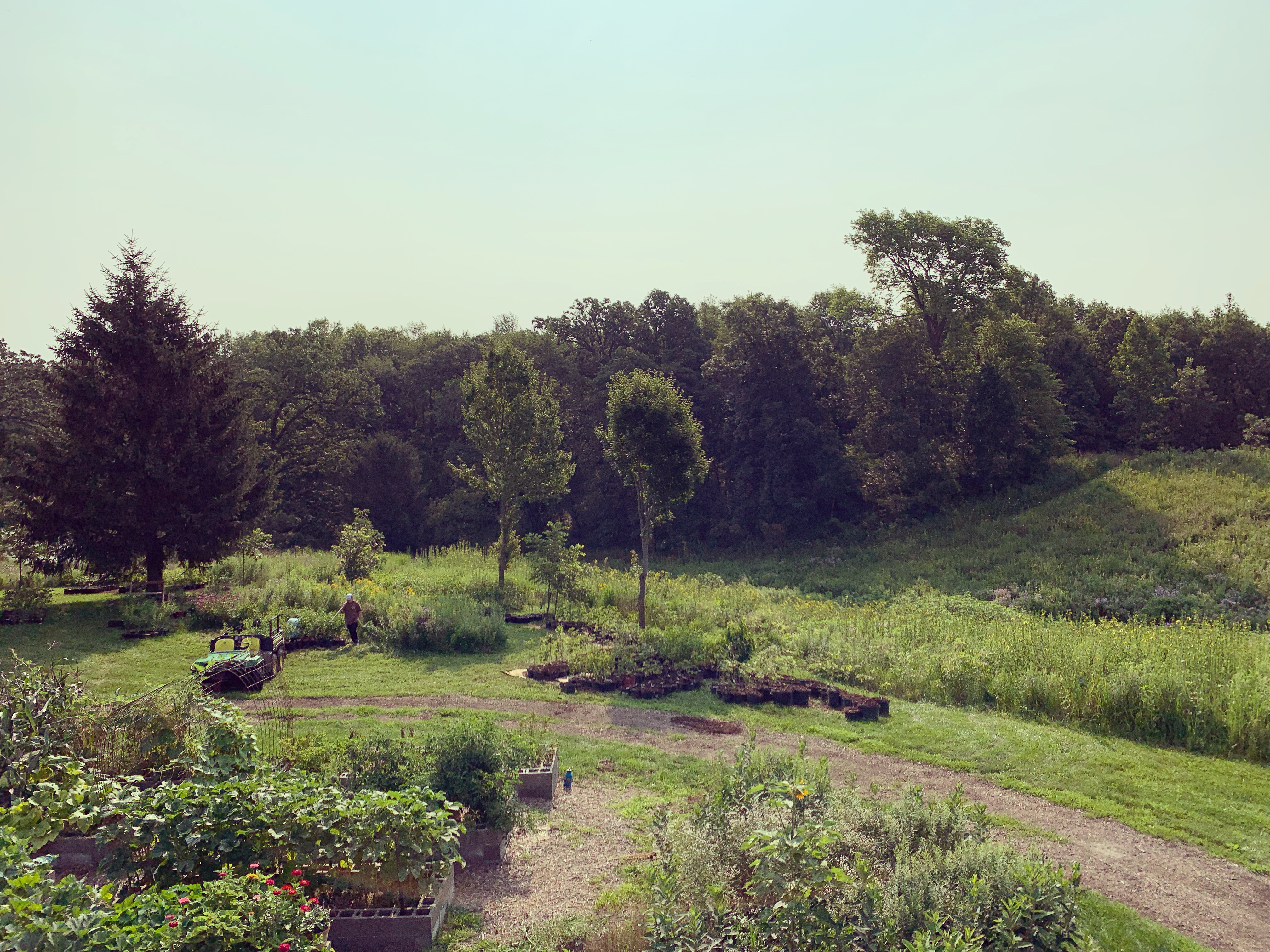
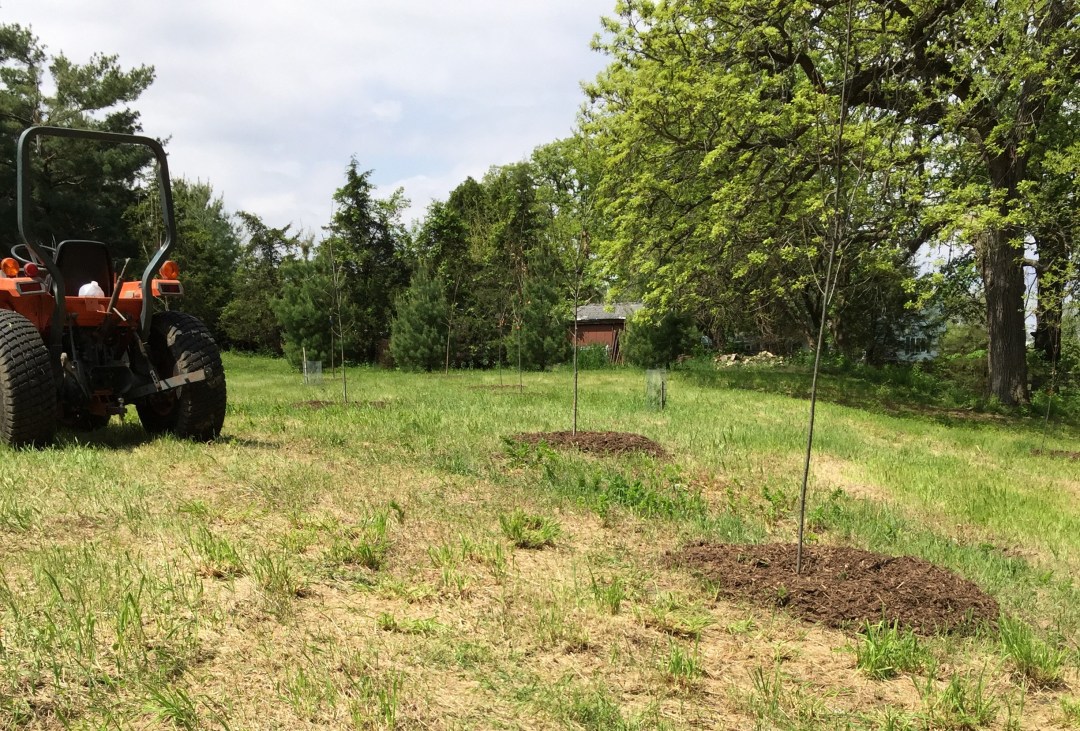
Got inspired late to plant over eighty hardwood trees this spring.  This years focus was to add more bur and red oaks to the Savana.  To introduce more fall color and interest to the nursery, three species of maples (Red Sunset, Northwood and Autumn Blaze) were plated on the hill west of the brown barn.  Tulip Tree, Canada Red Choke Cherry and Crabapples were interspersed among the nine maples.   To catch the rain water from this hill and the one on the north a small pond below the planting is being constructed by David.   Sidra and Hilario helped plant the trees in the holes dug by David’s large two foot auger.  Our record was 30 trees in one day.

Happy Little Cotyledons

Spring is definitely here, and we are working almost as hard as the bees.

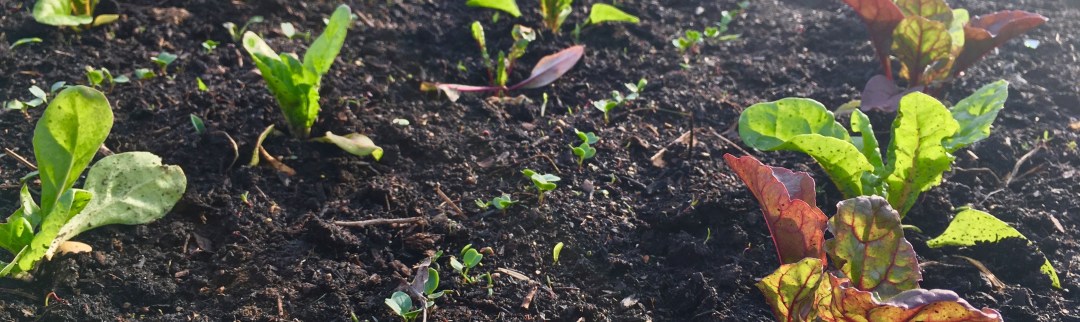
Sidra already has many veggies and greens transplanted into the garden, including kale, collards, chard, cabbage, and broccoli. She is also raising some very eager tomatoes and peppers, as shown by the little green cotyledons they have put on display in the hoop house. Her experience working on production farms in Illinois guides her with confidence through the garden, giving us much needed insight for starting plants early.
IMG_9522Last week, Sidra, Moselle, Joyce, and David (our extremely helpful neighbor) planted bare root Contender peaches, Yellow & Gold Delicious apples, Stella & Montmercy cherries, and Stanley plums alongside the Lincoln pears in the orchard. We are considering planting pawpaws there as well. YUM!

Joyce & Tony have been teaching Sidra how to remove invasive species from the woodland and prairie, namely Multiflora Rose, Garlic Mustard, and Russian Olive. It is no easy task!

Moselle has been preparing the guesthouse to accommodate volunteers on-site. We have listed ourselves as hosts on HelpX and WWOOF websites. More hands on deck not only speeds processes along, it also gives us the opportunity to create community and to learn from each other.
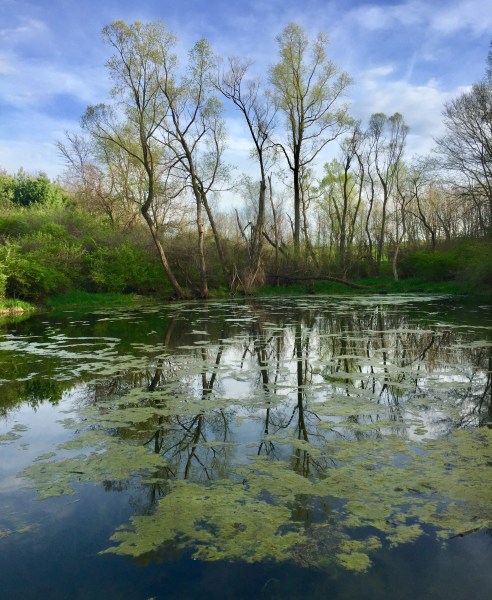
springAlong with the buds, blooms, and first leaves, many critters are starting to emerge from their winter dens as well. Toads, rabbits, geese, deer, and one giant snapping turtle have already made their debuts.

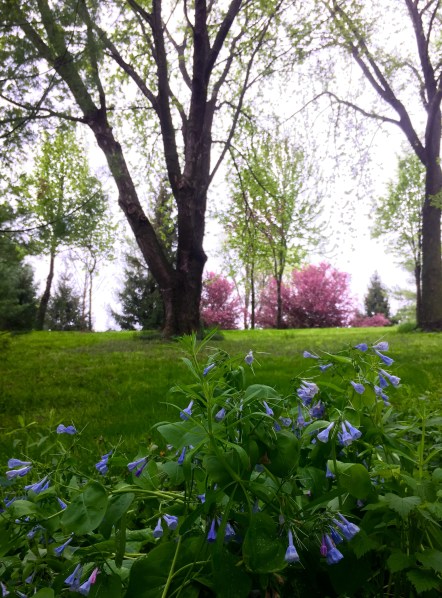
In the woodland, we have been graced by the billowing tiny Dutchman’s Breeches, the whimsical Bluebells, and the unassuming Bloodroot. All bringing their own colorful palettes and scents. As Sidra said, it’s almost as if this place turned into a Japanese garden overnight!

Check back for updates as we keep planting, growing, and learning. Happy Spring!

Iowa

febsunrise“You say Iowa is severe and blight-bare, a dead cornfield in winter.

I say it is the red-tailed hawk, gliding in widening circles above frozen ground.
It is the bald eagle on the branches of a slumbering bur oak.
It is Orion’s Belt and Ursa Major, brilliant in the cold night sky, jewels among countless stars like sea foam on a dark ocean.
It is the icy hoofprint of deer in the pine wood, and it is the blue and red jays and cardinals, cheerful flashes of color in the somber late-winter palette.
It is the belly track of unseen mammals, dragging along their brown-grass paths between pond and cozy den.

It is a modest beauty, a world masked in subtlety.”

-Sidra Schkerke

Sidra began working at Prairie Oaks earlier this month. She has been working at farms across the Midwest for a few years and has brought a multitude of skills, insight, and knowledge along with her.

2016

2016 was a year of transition. A damaging storm came through the area in the late spring, bringing down many of the old bur oaks. Work was done on clearing fallen trees, pruning, cleaning up around existing structures, and further establishing campsites. New projects include building an ornamental natural stream by the meditation porch.

In the early fall of 2016, Prairie Oaks began a partnership with Phil Crandall of Crandall Farms.  Five bee hives have been installed, and five more will be established pending success of the first group.

We are looking forward to new initiatives, events, and partnerships in 2017!